
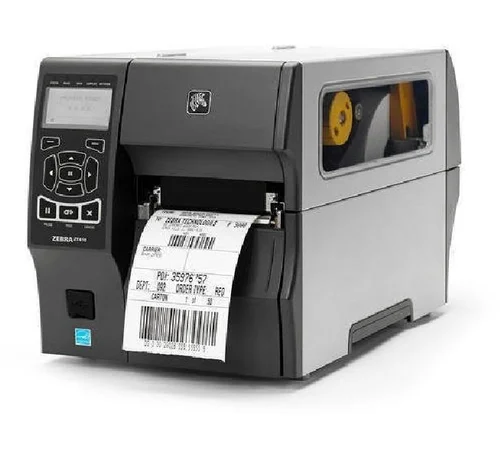
What Is a Thermal Label Printer? Types, Uses & Benefits ExplainedBusinesses that print product, shipping, barcode and inventory labels need a reliable way to produce clear and consistent labels. One of the most widely used technologies for this purpose is the thermal label printer.
Thermal printers are designed specifically for label printing and are widely used across retail, logistics, warehousing, manufacturing, healthcare and other industries.
But thermal printing is not one single technology. Businesses generally choose between direct thermal and thermal transfer printing depending on the application.

What Is a Thermal Label Printer?
A thermal label printer uses heat to create printed information on label material.
Unlike conventional inkjet or laser printers, thermal printers are designed around heat-based printing technology.
They can be used to print:
- Barcodes
- Product labels
- Shipping labels
- Inventory labels
- Asset tags
- Receipt labels
- Identification stickers
- Warehouse labels
How Does Thermal Printing Work?
Thermal printing works by applying controlled heat through a printhead.
Depending on the technology, the heat either activates a heat-sensitive label or transfers ink from a ribbon onto the label material.
This creates two primary types of thermal printers.
Direct Thermal Printers
Direct thermal printing uses specially treated heat-sensitive material.
When the printhead applies heat, the label surface changes to create the printed image.
Advantages
- No ribbon required
- Simple operation
- Fewer consumables
- Suitable for short-term labels
- Efficient for high-volume basic labeling
Common Applications
Direct thermal printing is often used for:
- Shipping labels
- Receipts
- Temporary identification labels
- Short-term logistics labels
- Retail applications
Because the print is created directly on heat-sensitive material, environmental exposure should be considered before choosing this technology.
Thermal Transfer Printers
Thermal transfer printing uses a ribbon between the printhead and label.
Heat transfers the ribbon’s ink onto the label material.
Advantages
- Can produce durable labels
- Suitable for a wider range of materials
- Useful for long-term identification
- Can be appropriate for demanding applications
Common Applications
Thermal transfer printing can be used for:
- Product labels
- Asset identification
- Industrial labels
- Warehouse labels
- Manufacturing labels
- Durable barcode labels
Direct Thermal vs Thermal Transfer
Feature Direct Thermal Thermal Transfer Ribbon Not required Required Label Heat-sensitive Wider material options Durability Application dependent Generally suitable for longer-term use Common Use Shipping & temporary labels Product & durable labels Maintenance Relatively simple Requires ribbon management
The best option depends on your specific labeling requirements.
Benefits of Using a Thermal Label Printer
Fast Printing
Thermal printers can produce labels quickly, making them useful for businesses with regular or high-volume printing requirements.
Sharp Barcode Printing
When properly configured with suitable media, thermal printers can produce clear barcodes that are suitable for scanning.
Lower Printing Complexity
Thermal printing eliminates some of the consumables associated with traditional printing systems.
Compact Options
Desktop thermal printers can fit into smaller workspaces, while industrial models are available for larger operations.
Suitable for Different Industries
Thermal label printing is flexible enough to support retail, logistics, manufacturing, healthcare and warehouse applications.
Where Are Thermal Label Printers Used?
Retail
Retail businesses can print product identification and pricing labels.
Warehousing
Warehouses use thermal printers for inventory, bin, rack and shipping labels.
Logistics
Shipping and logistics companies use them to identify packages and shipments.
Manufacturing
Manufacturers can print labels for products, components, batches and assets.
Healthcare
Thermal printing can support identification and tracking requirements in healthcare environments.
E-commerce
Online retailers and fulfillment operations can use thermal printers for package and shipping labels.
How to Choose a Thermal Label Printer
Choosing the right printer starts with understanding your application.
Print Volume
Estimate how many labels you print each day.
Label Size
Check the printer’s supported media width and label dimensions.
Direct Thermal or Thermal Transfer
Choose the technology based on how long the label needs to remain readable and the environment in which it will be used.
Print Resolution
Higher-resolution printing can be useful for small barcodes, detailed graphics and compact labels.
Printing Speed
High-volume operations may need a printer designed for faster output.
Connectivity
Consider how the printer will connect to your computers, POS systems or warehouse systems.
Thermal Labels and Printer Compatibility
The printer and label material must work together correctly.
Using the wrong label media can affect:
- Print quality
- Barcode readability
- Adhesion
- Durability
- Printer performance
This is why businesses should consider both the printer and its consumables when selecting a thermal labeling system.
Thermal Label Printers in Dubai and UAE
Dubai’s retail, logistics, warehousing and e-commerce sectors rely heavily on labeling and identification.
A suitable thermal label printer can help businesses maintain consistent labeling while supporting faster inventory and shipping workflows.
Labels & Labeling provides thermal printing and labeling products for businesses across Dubai and the UAE, alongside barcode printers, labels, ribbons and scanners.
Frequently Asked Questions
What is a thermal label printer?
A thermal label printer uses heat to create labels, either directly on heat-sensitive media or through a thermal transfer ribbon.
What is the difference between direct thermal and thermal transfer?
Direct thermal printing uses heat-sensitive labels and does not require a ribbon. Thermal transfer uses a ribbon to transfer ink onto the label.
Are thermal printers good for barcode labels?
Yes. Thermal printers are widely used for barcode label printing when the correct printer, media and settings are used.
Do thermal label printers need ink?
Thermal printers generally do not use conventional liquid ink cartridges. Direct thermal printers use heat-sensitive labels, while thermal transfer printers use ribbons.
What industries use thermal label printers?
Retail, logistics, e-commerce, manufacturing, warehousing, healthcare and many other industries use thermal label printers.
Find the Right Thermal Label Printer
A thermal label printer can provide an efficient solution for businesses that regularly produce barcode, shipping, inventory or product labels.
The right choice depends on print volume, label material, durability requirements, print size, resolution and connectivity.
If your business needs thermal printers, labels or barcode printing solutions in Dubai or the UAE, Labels & Labeling can help you identify a solution suited to your application.
Businesses that print product, shipping, barcode and inventory labels need a reliable way to produce clear and consistent labels. One of the most widely used technologies for this purpose is the thermal label printer.
Thermal printers are designed specifically for label printing and are widely used across retail, logistics, warehousing, manufacturing, healthcare and other industries.
But thermal printing is not one single technology. Businesses generally choose between direct thermal and thermal transfer printing depending on the application.
What Is a Thermal Label Printer?
A thermal label printer uses heat to create printed information on label material.
Unlike conventional inkjet or laser printers, thermal printers are designed around heat-based printing technology.
They can be used to print:
- Barcodes
- Product labels
- Shipping labels
- Inventory labels
- Asset tags
- Receipt labels
- Identification stickers
- Warehouse labels
How Does Thermal Printing Work?
Thermal printing works by applying controlled heat through a printhead.
Depending on the technology, the heat either activates a heat-sensitive label or transfers ink from a ribbon onto the label material.
This creates two primary types of thermal printers.
Direct Thermal Printers
Direct thermal printing uses specially treated heat-sensitive material.
When the printhead applies heat, the label surface changes to create the printed image.
Advantages
- No ribbon required
- Simple operation
- Fewer consumables
- Suitable for short-term labels
- Efficient for high-volume basic labeling
Common Applications
Direct thermal printing is often used for:
- Shipping labels
- Receipts
- Temporary identification labels
- Short-term logistics labels
- Retail applications
Because the print is created directly on heat-sensitive material, environmental exposure should be considered before choosing this technology.
Thermal Transfer Printers
Thermal transfer printing uses a ribbon between the printhead and label.
Heat transfers the ribbon’s ink onto the label material.
Advantages
- Can produce durable labels
- Suitable for a wider range of materials
- Useful for long-term identification
- Can be appropriate for demanding applications
Common Applications
Thermal transfer printing can be used for:
- Product labels
- Asset identification
- Industrial labels
- Warehouse labels
- Manufacturing labels
- Durable barcode labels
Direct Thermal vs Thermal Transfer
| Feature | Direct Thermal | Thermal Transfer |
|---|---|---|
| Ribbon | Not required | Required |
| Label | Heat-sensitive | Wider material options |
| Durability | Application dependent | Generally suitable for longer-term use |
| Common Use | Shipping & temporary labels | Product & durable labels |
| Maintenance | Relatively simple | Requires ribbon management |
The best option depends on your specific labeling requirements.
Benefits of Using a Thermal Label Printer
Fast Printing
Thermal printers can produce labels quickly, making them useful for businesses with regular or high-volume printing requirements.
Sharp Barcode Printing
When properly configured with suitable media, thermal printers can produce clear barcodes that are suitable for scanning.
Lower Printing Complexity
Thermal printing eliminates some of the consumables associated with traditional printing systems.
Compact Options
Desktop thermal printers can fit into smaller workspaces, while industrial models are available for larger operations.
Suitable for Different Industries
Thermal label printing is flexible enough to support retail, logistics, manufacturing, healthcare and warehouse applications.
Where Are Thermal Label Printers Used?
Retail
Retail businesses can print product identification and pricing labels.
Warehousing
Warehouses use thermal printers for inventory, bin, rack and shipping labels.
Logistics
Shipping and logistics companies use them to identify packages and shipments.
Manufacturing
Manufacturers can print labels for products, components, batches and assets.
Healthcare
Thermal printing can support identification and tracking requirements in healthcare environments.
E-commerce
Online retailers and fulfillment operations can use thermal printers for package and shipping labels.
How to Choose a Thermal Label Printer
Choosing the right printer starts with understanding your application.
Print Volume
Estimate how many labels you print each day.
Label Size
Check the printer’s supported media width and label dimensions.
Direct Thermal or Thermal Transfer
Choose the technology based on how long the label needs to remain readable and the environment in which it will be used.
Print Resolution
Higher-resolution printing can be useful for small barcodes, detailed graphics and compact labels.
Printing Speed
High-volume operations may need a printer designed for faster output.
Connectivity
Consider how the printer will connect to your computers, POS systems or warehouse systems.
Thermal Labels and Printer Compatibility
The printer and label material must work together correctly.
Using the wrong label media can affect:
- Print quality
- Barcode readability
- Adhesion
- Durability
- Printer performance
This is why businesses should consider both the printer and its consumables when selecting a thermal labeling system.
Thermal Label Printers in Dubai and UAE
Dubai’s retail, logistics, warehousing and e-commerce sectors rely heavily on labeling and identification.
A suitable thermal label printer can help businesses maintain consistent labeling while supporting faster inventory and shipping workflows.
Labels & Labeling provides thermal printing and labeling products for businesses across Dubai and the UAE, alongside barcode printers, labels, ribbons and scanners.
Frequently Asked Questions
What is a thermal label printer?
A thermal label printer uses heat to create labels, either directly on heat-sensitive media or through a thermal transfer ribbon.
What is the difference between direct thermal and thermal transfer?
Direct thermal printing uses heat-sensitive labels and does not require a ribbon. Thermal transfer uses a ribbon to transfer ink onto the label.
Are thermal printers good for barcode labels?
Yes. Thermal printers are widely used for barcode label printing when the correct printer, media and settings are used.
Do thermal label printers need ink?
Thermal printers generally do not use conventional liquid ink cartridges. Direct thermal printers use heat-sensitive labels, while thermal transfer printers use ribbons.
What industries use thermal label printers?
Retail, logistics, e-commerce, manufacturing, warehousing, healthcare and many other industries use thermal label printers.
Find the Right Thermal Label Printer
A thermal label printer can provide an efficient solution for businesses that regularly produce barcode, shipping, inventory or product labels.
The right choice depends on print volume, label material, durability requirements, print size, resolution and connectivity.
If your business needs thermal printers, labels or barcode printing solutions in Dubai or the UAE, Labels & Labeling can help you identify a solution suited to your application.